
investment property mortgage in Ontario
Build Your Real Estate Portfolio With the Right Financing Strategy
SMART INVESTMENTS
Finance Today, Grow Tomorrow
Buying an investment property can be a powerful way to build long-term wealth, generate rental income and diversify your finances.
However, financing an investment property is different from getting a mortgage for your primary residence.
Whether you are purchasing your
first rental property, adding another property to your portfolio, or looking for financing for a multi-unit rental, the right mortgage structure can make a significant difference.
As an Ontario mortgage agent, I can help you compare mortgage solutions from a range of lenders and determine which financing strategy best fits your investment goals.

Competitive Rates
Access competitive rates designed for investors

Flexible Terms
Mortgage options tailored to your investment goals.

Portfolio Growth
Build long-term wealth with income-producing properties

Secure & Transparent
Clear process with no hidden fees.

SMART INVESTMENTS
Finance Today, Grow Tomorrow.
Buying an investment property can help build long-term wealth, generate rental income and diversify your finances. Financing an investment property differs from a primary residence, so choosing the right mortgage structure is important.
As an Ontario mortgage agent, I can help you compare lender options and find a financing strategy that fits your investment goals.
Competitive Rates
Access competitive rates designed for investors.
Flexible Terms
Mortgage options tailored to your investment goals.
Portfolio Growth
Build long-term wealth with income-producing properties.
Secure & Transparent
Clear process with no hidden fees.

WHAT IS AN INVESTMENT PROPERTY MORTGAGE?
An investment property mortgage is financing used to purchase a property that you intend to rent out rather than occupy as your principal residence.
Common investment properties include:
- Single-family rental homes
- Condos
- Duplexes and triplexes
- Fourplexes
- Townhomes
- Multi-unit residential properties
- Student or long-term rental properties
Mortgage requirements depend on the property type, purchase price, rental income, credit profile, existing debts and lender policies.
How Much Down Payment Do You Need?
For a non-owner-occupied rental property, investors generally need a larger down payment than they would for an owner-occupied home.
For eligible 2-to-4-unit non-owner-occupied rental properties, CMHC’s Income Property program allows financing up to 80% loan-to-value, meaning a minimum 20% equity contribution may be possible when the property and borrower meet the program requirements.
- Purchase price: $600,000
- 20% down payment: $120,000
- Mortgage: $480,000
You should also budget for closing costs, legal fees, land transfer tax, appraisal costs, insurance and potential repairs or renovations.
CAN RENTAL INCOME HELP YOU QUALIFY?
Yes. Rental income can play an important role in qualifying for an investment property mortgage.
Buying an investment property can help build long-term wealth, generate rental income and diversify your finances. Financing an investment property differs from a primary residence, so choosing the right mortgage structure is important.
As an Ontario mortgage agent, I can help you compare lender options and find a financing strategy that fits your investment goals.
How Rental Income Is Calculated
For eligible non-owner-occupied 2-to-4-unit properties, CMHC allows lenders to use up to 50% of gross rental income or a net rental income approach when calculating debt-service qualification.
Rental Income Calculation
For eligible non-owner-occupied 2-to-4-unit properties, CMHC allows lenders to use up to 50% of gross rental income or a net rental income approach when calculating debt-service qualification.
Rental Income Assessment
The exact treatment of rental income varies between lenders. Some lenders may use a percentage of the rent, while others may assess the property’s net rental income.
OTHER IMPORTANT CONSIDERATIONS
Plan Your Investment With Confidence
From multi-unit properties and required documents to pre-approval, understanding your financing options can help you make a confident investment decision.
Investment Properties With 2–4 Units
Documents You May Need
Is an Investment Property Mortgage Right for You?
Get Pre-Approved Before You Shop
From Planning to Pre-Approval
Your Investment Property Mortgage Checklist.
Whether you’re purchasing your first rental property or expanding your portfolio, being financially prepared can make the mortgage process simpler and more efficient.
Investment Properties With 2–4 Units
Multi-unit properties can be attractive because rental income may help support financing. CMHC offers mortgage insurance for eligible 2–4-unit rental properties, with financing up to 80% LTV. Properties with 5+ units may require commercial or multi-unit residential financing
Documents You May Need
You may need to provide identification, income and tax documents, bank statements, mortgage and property details, purchase agreements, leases, and insurance information. Having these ready can help make the financing process smoother.
Is an Investment Property Mortgage Right for You?
An investment property can build wealth, but it’s important to understand the financing, cash flow, risks, and costs.
Before you buy, consider:
Available investment funds
Expected rental income
Monthly costs and debt
Emergency reserves
Investment goals Impact of rate, expense, and vacancy changes
Get Pre-Approved Before You Shop
A mortgage pre-approval helps you understand your purchasing power and financing options before making an offer.
As an Ontario mortgage agent, I can help you compare lenders and create a financing strategy for your investment goals.
Ready to invest? Contact me today to explore your mortgage options.
Investment Properties With 2–4 Units
Multi-unit properties can be particularly attractive because rental income from multiple units can help support the property’s financing.
CMHC’s current Income Property program specifically provides mortgage insurance options for eligible non-owner-occupied 2-to-4-unit rental properties, with financing of up to 80% LTV.
Different rules can apply to properties with five or more units, which may fall under commercial or multi-unit residential financing rather than a standard residential investment mortgage.
Documents You May Need
Depending on your situation and lender, you may be asked for:
- Government-issued identification
- Employment or income documentation
- Notices of Assessment
- T4s or T1 Generals
- Bank or investment statements
- Existing mortgage statements
- Property tax information
- Purchase agreement
- Rental agreements or leases
- Market rent information
- Property insurance information
- Details of your existing properties and mortgages
Having your documentation organized before making an offer can make the financing process smoother.

Cash Flow
Ensure rental income covers all expenses and generates positive cash flow.

Long-Term Appreciation
.Consider the potential increase in property value over time

Use Existing Equity
You may be able to access equity from your current home to invest.

Multi-Unit Properties
2-to-4 unit properties can qualify for up to 80% LTV financing through CMHC.

Eligible Documents
Having the right documents ready makes the process smoother and faster.

Investment Goals
Align your mortgage strategy with your short- and long-term financial objectives.

What Do Lenders Look At?
Investment Property Mortgage vs. Owner-Occupied Mortgage
A home that you purchase and occupy as your principal residence can qualify for different mortgage insurance and down-payment rules than a property purchased strictly as a rental.
Important: Never represent an investment property as owner-occupied if you intend to rent it out. The intended use of the property must be accurately disclosed to the lender.
Is an Investment Property Mortgage Right for You?
Before you buy, consider:
How much cash you can comfortably invest.
Your expected rental income.
Your total monthly carrying costs.
Your emergency reserve.
Your existing debt and mortgages.
Your short- and long-term investment objectives.
How the property performs if interest rates, expenses or vacancy rates change.
A mortgage pre-approval can help you understand your approximate purchasing power and financing options before you make an offer.
As an Ontario mortgage agent, I can help you review your financial situation, compare lender options and structure financing for your investment strategy.
Thinking about buying your first rental property or adding another investment to your portfolio?
Contact me today to discuss your investment property mortgage options and get started with a personalized mortgage strategy.
Evaluate the Full Investment Picture
Plan Your Investment Strategy
Before buying an investment property, consider all costs, potential rental income, cash flow, long-term appreciation and available home equity. A careful assessment of these factors can help you make a more informed investment decision.

What About Buying a Condo as an Investment?
Investment condos can offer lower purchase prices and strong rental demand, but investors should consider all costs, including condo fees, taxes, maintenance, insurance, management, vacancies, and market conditions. A lower-priced property may not always generate positive cash flow.
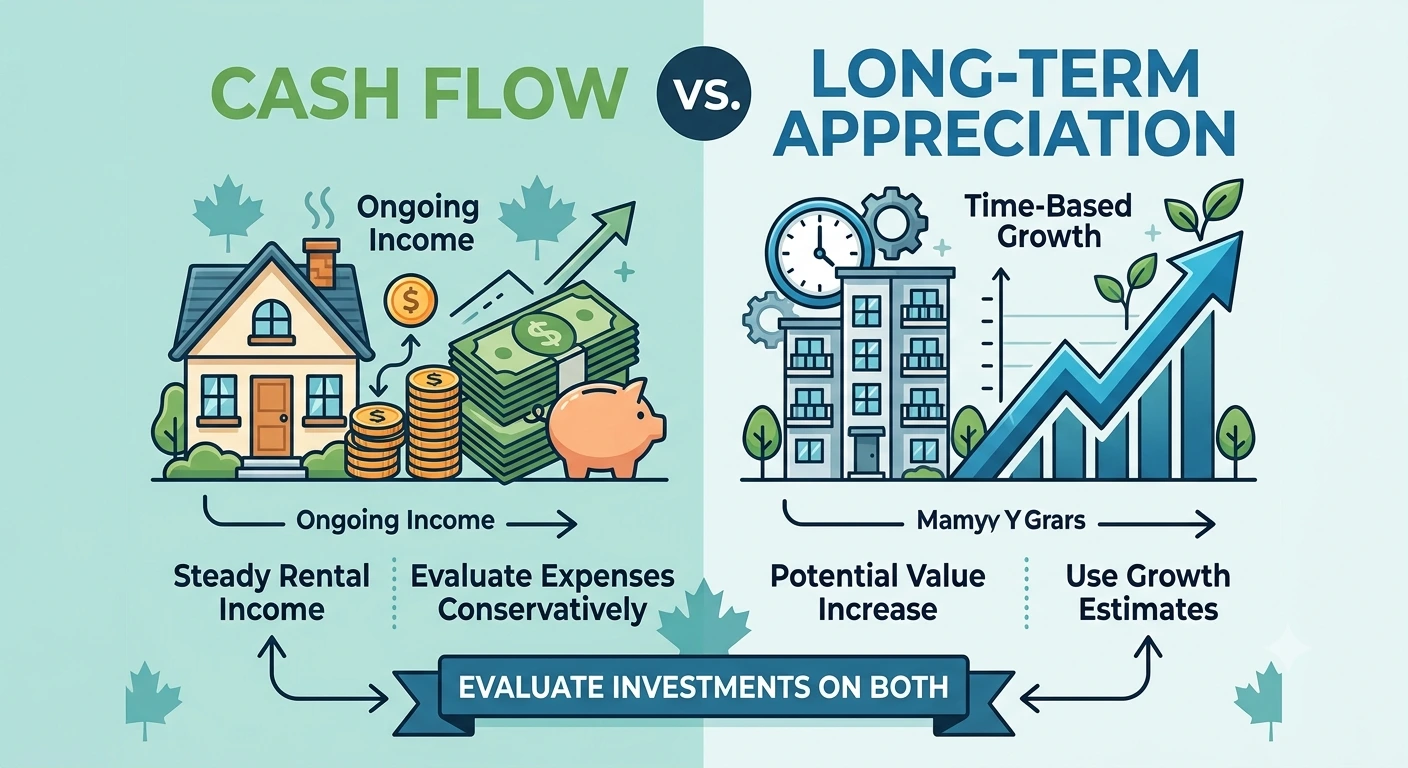
Cash Flow vs. Long-Term Appreciation
A good investment property should be evaluated based on cash flow and potential appreciation. Consider all expenses and use conservative rental and growth estimates before purchasing.
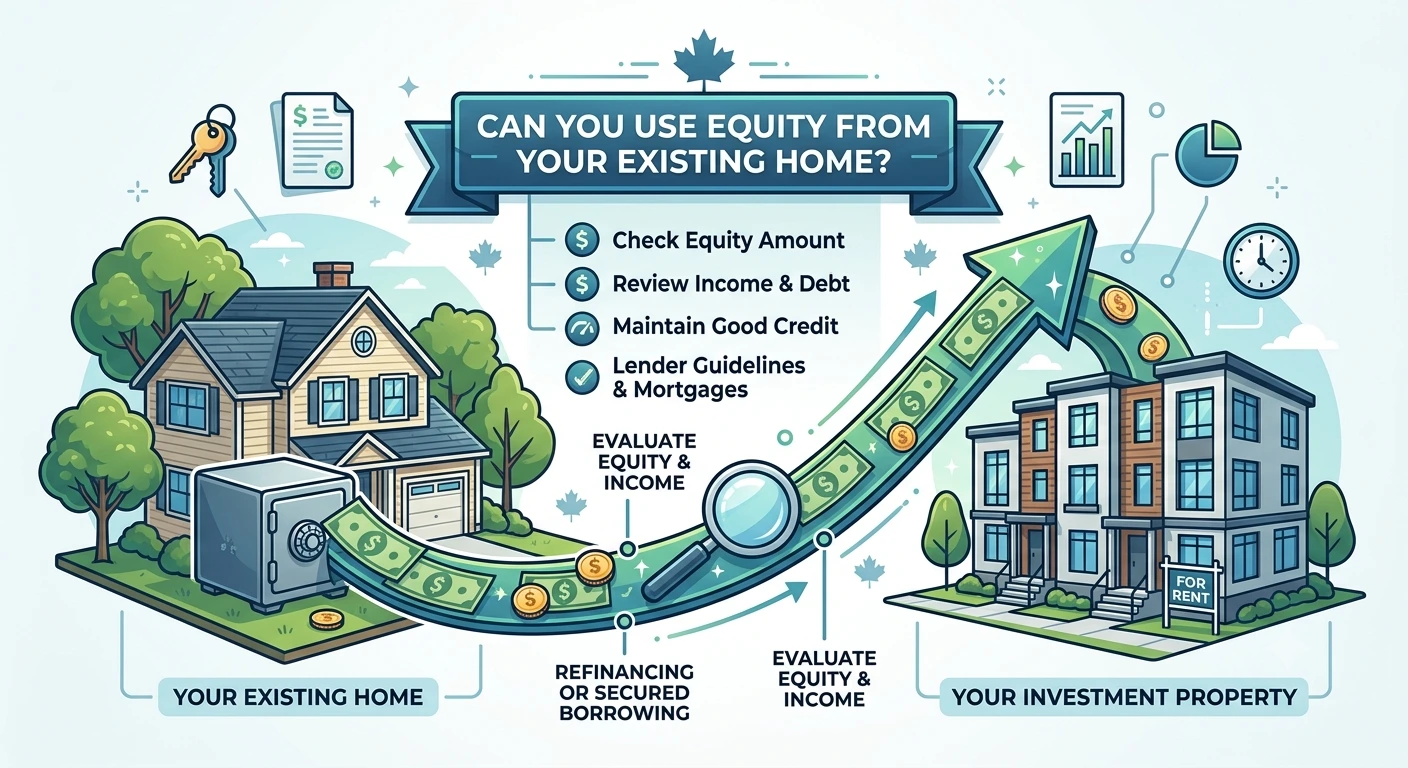
Can You Use Equity From Your Existing Home?
If you own a home with sufficient equity, you may be able to access it through refinancing or secured borrowing to help fund an investment property. The right strategy depends on your equity, income, credit, mortgage, and lender guidelines.
What About Buying a Condo as an Investment?
Investment condos can be attractive because of their relatively lower purchase prices and potential rental demand. However, investors should look beyond the mortgage payment.
Consider:
Monthly condo fees
Property taxes
Expected rent
Vacancy periods
Property management costs
Maintenance and repairs
Insurance
Utilities
Special assessments
Current and future market conditions
A property that appears affordable may not produce positive cash flow after all expenses.
Cash Flow vs. Long-Term Appreciation
A good investment property should be evaluated based on cash flow and potential appreciation. Consider all expenses and use conservative rental and growth estimates before purchasing.
Can You Use Equity From Your Existing Home?
Potentially.
If you already own a home with sufficient equity, you may be able to access equity through refinancing or another secured borrowing solution and use those funds toward an investment property purchase.
The appropriate strategy depends on your existing mortgage, available equity, income, credit profile and the lender’s guidelines.
Ready to Take the Next Step?
Let’s find the right mortgage solution for you. Get expert advice and personalized options today.